Garage Mold Removal in Academy, MO
Mold removed from affected walls, ceilings and storage surfaces in your Academy garage, with moisture checks before repairs. Call 24/7 to start your garage cleanup assessment.
- Garage moisture checked first
- Containment and HEPA filtration
- Clear cleanup and repair scope
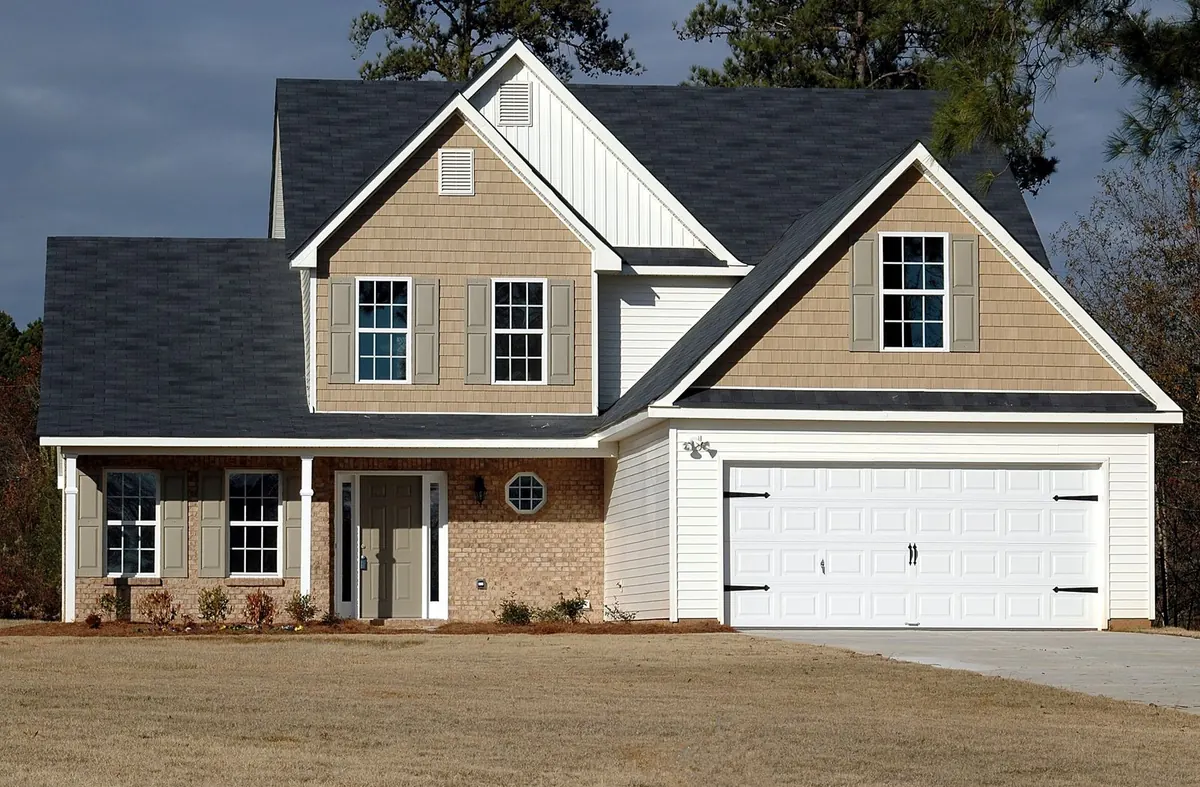
Garage Mold Removal Services Across Academy
Cleanup addresses exposed framing and ceiling finishes as well as your garage drywall and stored contents. Before anything is removed or cleaned, moisture is traced.
Your garage walls and their studs, along with insulation, undergo hidden moisture checks. Unsalvageable cardboard boxes and drywall are kept contained for disposal, while sound framing receives cleaning and drying.
Building cleanup is set apart from belongings and moisture repairs in your written work scope, which accounts for reaching behind shelves and around the concrete slab.
- Garage drywall and ceiling cleanup
- Sound framing and shelving cleaned
- Affected insulation and contents removal
- Route for Contained Debris Outside Your Home
- Moisture checks and controlled drying
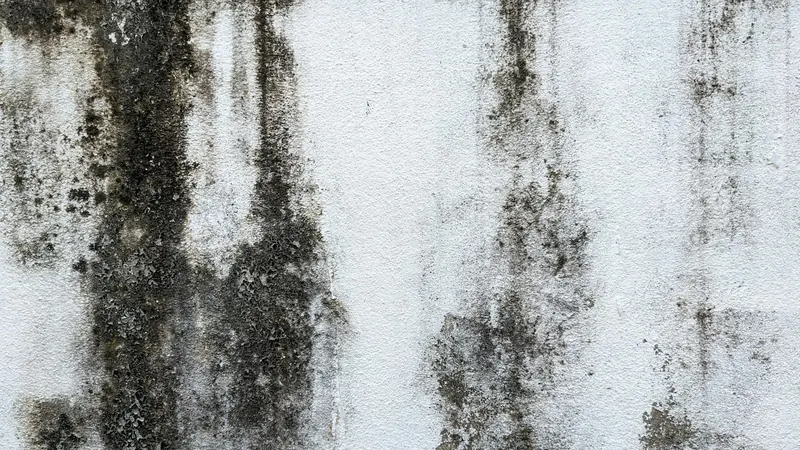
Recognizing the Need for Garage Mold Removal
Have your stained finishes, damp storage and returning growth assessed.
Growth Beside the Garage Door
You may notice damp patches recurring after rain, or peeling paint near your damaged garage door seal.
Patches on the Garage Floor
Dampness above your slab may show as mold on garage floor coverings or on stored material.
Dampness in a Detached Garage
Water intrusion or garage ventilation issues may come with ongoing condensation and damp corners.
Stains on Your Garage Ceiling
Water stains or visible mold growth can accompany leaks from the roof, garage attic or room above.
Musty Garage Storage
Cardboard boxes soften, shelving smells musty or stored belongings develop spots.
Garage Mold Remediation Steps in Academy
Assessment starts your garage cleanup. Removal under containment comes next, followed by cleaning, drying and final checks.
Garage Assessment
Your ceilings, belongings and walls receive inspection. A moisture meter maps dampness; a thermal imaging camera can locate temperature differences but cannot identify mold.
Moisture Source and Cleanup Scope
Assessment covers condensation, plumbing, door seals and roof leak routes. Removal waits until your scope has defined separate leak repair and cleanup.
Garage Containment and Access
Your work zone is separated from living areas by a poly sheeting containment barrier. A HEPA air scrubber works with protective equipment and negative air pressure to limit spreading particles.
Damaged Material Removal
Removal follows the planned route after damaged drywall, insulation and contents beyond saving are bagged within containment.
Framing and Storage Surface Cleaning
A HEPA vacuum and surface cleaning remove growth from sound wood and shelving. Antimicrobial treatment cannot substitute for physical cleaning.
Controlled Garage Drying
Once cleaning ends, a dehumidifier helps dry surfaces together with air movers. Moisture readings track progress as the water source is corrected.
Post-Remediation Check
Containment removal follows cleaning, drying and the agreed post-remediation verification. Replacement of materials follows the independent assessor's completion of specified clearance testing.
Garage Mold Removal: Why Choose St. Louis Mold Removal Services
Removal Through Final Checks
Containment removal follows final checks, removal of damaged materials and cleaning and drying of sound surfaces.
Clear Building and Contents Scope
Before work begins, your scope specifies stored belongings, ceilings and walls.
Calls Answered 24/7
You can begin a garage assessment throughout the metro with one number, even on nights and weekends.
Garage Moisture First
Cleanup follows your assessment of leaks, problems with door seals and condensation.
Contained Garage Work
Your work area and route for debris use containment plus HEPA filtration to restrict particle movement.
What to Do Before Garage Cleanup in St. Louis (city) County
Arrange your assessment with a call. Do not disturb affected materials.
- Avoid wet electrical equipment. Avoid standing water close to appliances, outlets or tools.
- Keep affected storage in place. Do not carry moldy boxes into your living space.
- Keep the interior door closed. Keep children and pets away from the affected garage.
- Leave finishes undisturbed. Do not start sanding, dry brushing or tear out work.
- Avoid spreading particles. EPA cautions against operating HVAC equipment suspected of contamination; keep fans from blowing at growth.
Understanding Garage Mold Removal Cost in Academy, MO
The ranges shown distinguish garage cleanup from contents cleaning and, when specified, clearance testing. Pricing for contents is per pound. Included work and separately listed repairs are defined in your scope.
Garage mold removal
$1,500 to $10,000 per jobSource: Fixr, Mold Remediation Cost (checked 2026-10-23)Cleaning soft furnishings and contents
$2 to $20 per poundSource: Fixr, Mold Remediation Cost (checked 2026-10-23)After-Remediation Clearance for Residential Work
$300 to $700 per jobSource: Inspect and Test, Mold Remediation Air Quality Testing (clearance guide) (checked 2026-10-23)What Affects Your Garage Cleanup Cost
- Wall and ceiling access
- Separate repairs and replacement finishes
- Stored Items by Amount and Type
- Containment and drying requirements
- Affected square footage
- Your Framing or Slab Moisture
Your Garage Cleanup Price
These published national ranges are planning figures. Your on-site assessment defines the work and price before cleanup starts, including any separate source repairs or rebuilding.
Call (844) 352-3560 about costGarage Mold Removal Service Area Across Greater St. Louis
Call (844) 352-3560 to arrange cleanup in Academy or nearby communities. One number covers the metro.
Garage Mold Removal in Locations Near Academy
ZIP codes
Common Questions About Garage Mold Removal in Academy
Does the work fix your garage moisture problem too?
Necessary corrections accompany the cleanup scope after assessment determines the moisture source. Door seal replacement, roof repairs, plumbing and ventilation work are included only when listed in your scope. Separate repairs are identified before starting so cleaned framing and new materials are not left exposed to an unresolved leak.
Will garage mold reappear following cleaning?
Mold may reappear when moisture remains a problem. Removal begins after your assessment tracks water entering through the threshold, leaks from the roof and condensation. Cleaning and drying address affected surfaces; the scope sets out corrections that are needed. To help prevent recurring damp conditions, moisture repairs are completed and humidity control continues.
What does garage cleanup cost in St. Louis (city) County?
Your price depends on the affected square footage, stored contents, wall access and drying needs. A national published range appears with its unit and source in the cost card shown above. Sorting belongings and replacing finishes can change the total. Before cleanup starts, you receive an explanation of your scope and price.
Is testing needed before or after garage cleanup?
Visible mold often does not need air sampling under EPA guidance. Moisture checks and an inspection identify affected surfaces and set your removal scope. After cleanup, containment is taken down only once cleaning and drying are checked. An assessor independent of removal conducts clearance testing if specified. No federal threshold limits the level of mold indoors.
Will your moldy garage drywall need to be removed?
Damaged drywall and affected insulation may need removal, especially when growth extends into the wall cavity. Cleaning and drying are often possible for garage wall studs that remain sound. Before work starts, your assessment establishes the area for removal. Replacement drywall and finish repairs follow cleaning, drying and any agreed verification.
How long should you expect garage cleanup to take in Academy?
Your timeline follows checks of the ceiling and walls, stored items and route for access. The work to empty crowded shelving differs from cleaning an uncovered wall. Drying depends on moisture readings. Your garage's return to parking and storage depends on concealed damage, source repairs and agreed verification.
Can you stay home during attached garage cleanup?
You may be able to stay if living areas remain separate from the work zone and debris route. The inside doorway and shared equipment, together with your household's needs, determine where access is restricted. Before containment starts, plans cover parking and utility access. Certain jobs need you to relocate temporarily during the removal and cleaning work.
Garage Cleanup Insurance Considerations in Missouri
Coverage depends on your policy, moisture cause, exclusions and deductible. Building cleanup, belongings and rebuilding may receive different coverage decisions.
Garage Mold Safety Considerations for Greater St. Louis
Your garage cleanup limits the spread of mold spores through containment and access controls.
Sensitive Occupants
CDC lists asthma, weakened immune systems and lung disease as conditions associated with greater risk.
Hidden Garage Damage
Clean-looking walls do not confirm how the framing and insulation behind them are doing.
Garage Access
Overhead storage and packed shelves influence your work path and ability to reach damp surfaces.
Mold Color
CDC says mold color cannot indicate risk; assessment of dark patches considers their extent and condition.
Cleanup scope: EPA guidance says cleaning areas under about 10 square feet is often something homeowners can do. Larger areas, HVAC systems or mold from sewage or contaminated water call for professional help.
Your St. Louis (city) County Garage Materials: Cleaning or Removal
Your sound surfaces receive cleaning when possible; porous materials with damage may require disposal.
Non-porous surfaces
- Metal shelving, glass and plastic bins are cleaned and dried when their condition allows.
Garage building materials
- Damaged insulation and drywall may require removal, while sound wood may be suitable for cleaning. Assess both moisture and surface condition on porous bare concrete.
Stored belongings
- Refilling your storage area follows a separate evaluation of each paper, fabric and upholstered item for cleaning or discarding.
Timing Your Garage Cleanup in St. Louis (city) County
Your schedule follows access, material removal, drying and repair after remediation.
- Stored contents: You face extra sorting and removal when shelves and walls are crowded.
- Hidden damage: Opening up a ceiling or wall may expose further affected materials.
- Completion: Moisture readings and required repairs, along with final verification, set when you can park and store belongings again.
Humidity and Odor in Your Greater St. Louis Garage
Your musty garage odor calls for checks of floor coverings, wall cavities and damp storage. Scented products do not resolve its source.
EPA recommends indoor relative humidity below 60 percent, ideally 30 to 50 percent. Garage humidity control may include a garage dehumidifier, but drying equipment does not replace leak repair.
Your Missouri Garage Cleanup Requirements
Garage Work Requirements
Missouri does not appear to have a statewide license for mold assessors or remediators, and the state does not set mold exposure standards. Ask any contractor about their mold training and check local contractor rules.
EPA Guidelines for Drying
Dry water-damaged areas and items within 24 to 48 hours to prevent mold growth.
Garage Repair Scope
Plans for replacement wall and ceiling assemblies remain separate from plans for cleaning and removal.
State Mold Information
The Missouri Department of Health and Senior Services has a mold page for the public, with the Bureau of Environmental Epidemiology listed as the contact.
State guidance: Missouri Attorney General, Landlord Tenant Law
Related Services and Next Steps
Start Your Garage Mold Removal in Academy
Call 24/7 to arrange your assessment. Your cleanup starts with the affected surfaces, moisture source and access to your home.